Designing storefront pages that search engines — and people — can actually understand
Storefront and content pages had accumulated years of SEO and performance debt — unclear structure, inconsistent markup, and fragile CMS patterns that made pages slow to load, hard to index, and risky to change.
By treating SEO as a design systems challenge, I restructured content hierarchy and components to improve findability, speed, and long-term maintainability — aligning pages with search intent and user scanning patterns.
At a glance
Redesigned high-traffic storefront pages to reduce SEO debt, improve performance, and enable teams to ship confidently at scale.
Problem
Storefront pages had accumulated years of SEO and performance debt — slow load times, inconsistent markup, poor indexation, and fragile CMS patterns.
Solution
Redesigned storefront pages with a modular, system-first approach. SEO, performance, and accessibility were treated as first-class constraints, with reusable components and semantic structure enforced by default.
Impact
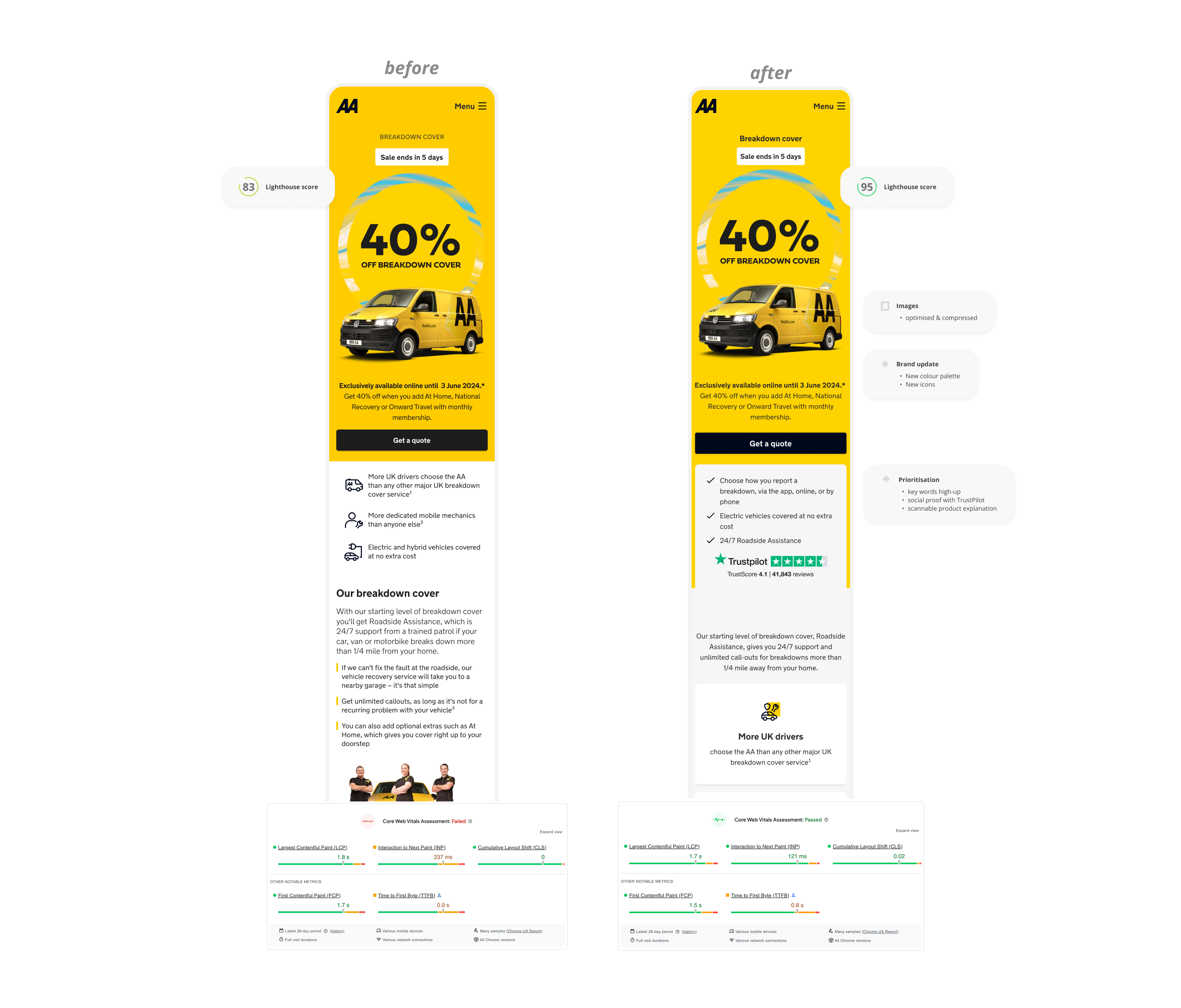
- Lighthouse score: 83 → 95
- Indexed pages: +10%, boosting organic traffic +~15% in 3 months
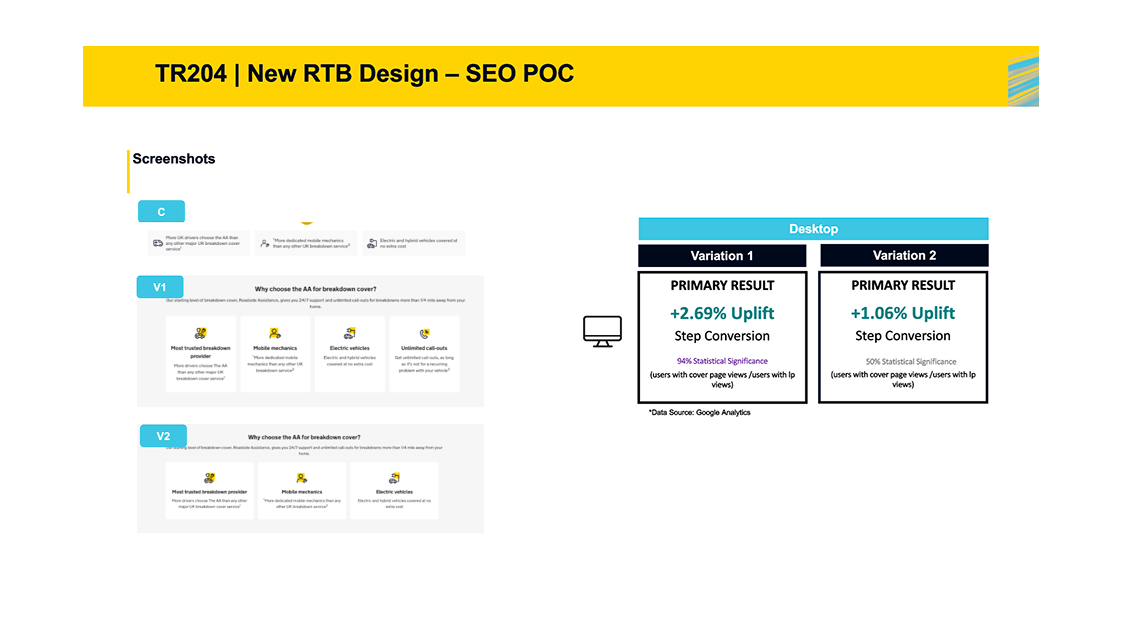
- Step conversion (RTB component): +2.69%
- Publishing errors: reduced, enabling faster creation of new pages
Here’s the system in action. The Figma file shows the semantic structure, core components, and SEO rules I built for the storefront pages. Some components, layouts, and final pages are still evolving — prioritising speed and impact over exhaustive documentation for this release.
Business Context
- Business goal: Increase organic traffic by improving indexation and search visibility across high-traffic storefront pages.
- Metrics: Indexed pages, Lighthouse and Core Web Vitals, page speed, organic traffic, and conversion step rates.
- Constraints: Legacy CMS, inherited templates with significant SEO debt, limited development capacity, and ongoing promotional and compliance requirements.
The Core Problem
- Existing pages were slow, inconsistent, and hard to scale without breaking SEO or performance.
- Designers and CMS editors had too much freedom and too little guidance, leading to fragile pages and repeated regressions.
- The challenge was to create pages that were fast, accessible, SEO-safe and reusable — without slowing delivery or increasing risk.
Strategy & Approach
- Audited high-traffic storefront pages to identify structural SEO and performance issues.
- Defined clear SEO and performance guardrails (not just targets) in collaboration with devs.
- Designed a modular page system that worked with the existing CMS rather than against it.
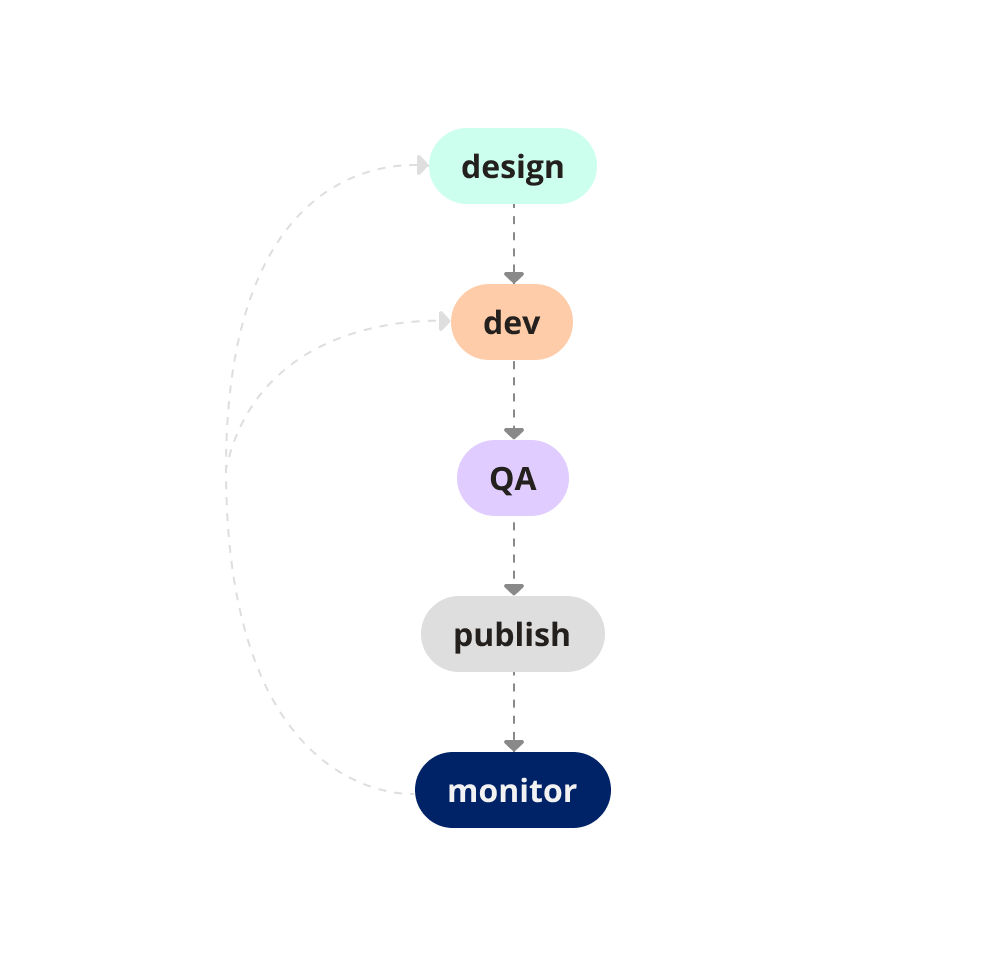
- Worked in close partnership with engineering through build, QA and release, with design accountable for performance and SEO outcomes — not just visual sign-off.
- Signed off live pages and monitored post-launch performance to validate impact.
Key Design Decisions
The decisions below focus on removing SEO risk at scale, improving performance where it materially affected users, and enabling teams to ship confidently without repeated rework.
Decision #1: Build a modular, SEO-safe design system
- Rationale: Ad-hoc page layouts created inconsistent markup, poor indexation, and recurring regressions. A modular system ensured semantic structure, accessibility, and SEO rules were enforced by default.
- Trade-offs: Higher upfront design and documentation effort in exchange for long-term scalability and reduced maintenance cost.
- Outcome: Faster page creation, fewer publishing errors, and a reusable foundation that supported consistent indexation and performance across storefront and content pages.
Decision #2: Prioritise performance over visual complexity
- Rationale: Page speed and Core Web Vitals directly impact crawlability, rankings, and user trust—particularly on mobile. Performance was treated as a design constraint, not a technical afterthought.
- Trade-offs: Reduced decorative elements and heavyweight assets, while preserving high-performing components such as promotional hero signalling.
- Outcome: Lighthouse performance improved from 83 → 95, faster mobile load times, and clearer signals to both users and search engines without compromising brand or compliance requirements.
Process Snapshots
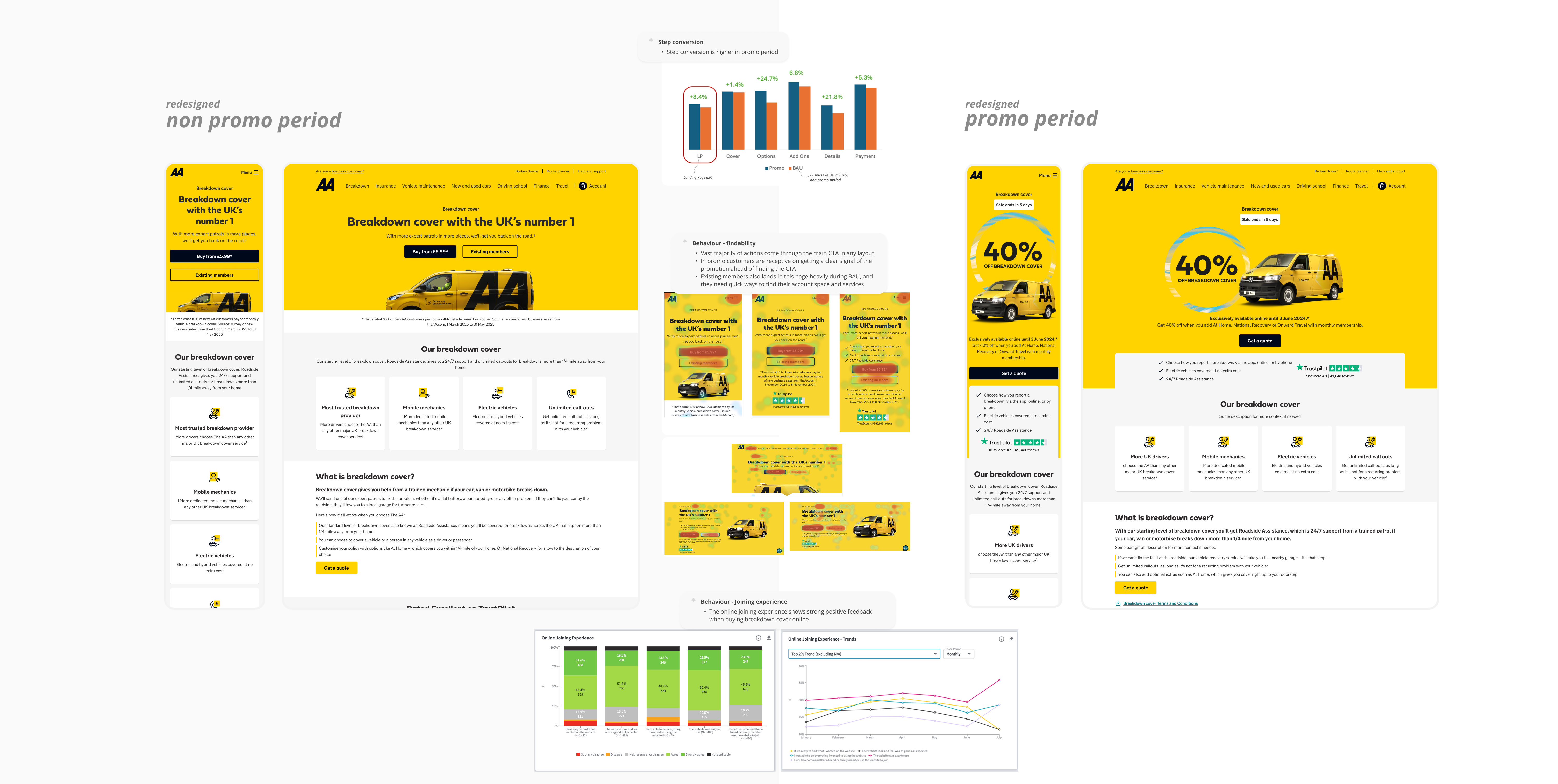
These snapshots show how real constraints — SEO rules, performance budgets, CMS limitations and delivery pressure — shaped the work. The focus was on building a system that performed reliably in real-world conditions — across seasonal changes, promotional states and compliance requirements — rather than optimising individual pages in isolation.
Impact
This work removed structural SEO and performance constraints, and established a scalable storefront system that balanced search visibility, usability and commercial impact.
Quantitative Results
- Lighthouse performance improved: 83 → 95.
- Indexed pages increased by 10%.
- Organic search traffic up ~15% within three months.
- NPS for the joining experience: 80%+ reporting the website was easier to use.
- A/B test of Reasons to Believe (RTB) component showed a relative +2.69% step conversion uplift.
Qualitative Outcomes
- Team adoption of the design system improved consistency.
- Faster page creation for new content.
- Reduced errors in live publishing.
- Built SEO best practices and guidance for designers.
- Images got optimised and keywords were prioritised.
- Aligned with other departments of the business with brand updates and compliance areas for information.
- Clear guidance for designers and CMS editors.
Learnings & Influence
Learnings
- Involving developers early avoided late-stage performance and SEO surprises.
- Treating performance as a design constraint led to better decisions across the board.
- Doubling down on what already worked reduced unnecessary experimentation.
- Modular systems scale far better than bespoke pages under delivery pressure.
Influence
- Aligned design, engineering and content around shared SEO and performance standards.
- Led the menu header SEO impact analysis and handed over clear short-term wins and long-term recommendations to the owning team.
- Supported and coached designers on SEO-aware design decisions.
- Pushed for a system-led approach to reduce long-term maintenance cost.